The Role of RTLS in Reducing Carbon Footprint
The Role of RTLS and IIoT in Sustainability and Reducing Carbon Footprint
In today's rapidly evolving industrial landscape, companies face increasing pressure to enhance operational efficiency, ensure safety, and adhere to stringent environmental regulations. Real-Time Location Systems (RTLS) and the Industrial Internet of Things (IIoT) are pivotal technologies that help businesses meet these challenges.
Here’s why companies need RTLS and IoT technologies and how these innovations contribute to sustainability and compliance with environmental mandates.
Enhancing Operational Efficiency
Asset and Inventory Management
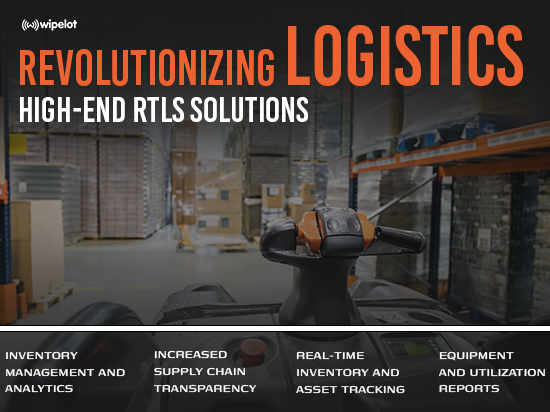
RTLS and IoT technologies facilitate accurate real-time tracking of assets, equipment, and inventory. This functionality proves indispensable across various industries like manufacturing, warehousing, mining, and construction, where asset location and condition heavily influence operational efficiency. For instance, optimized in-plant traffic management through RTLS enhances workflow efficiency, minimizes downtime, and contributes significantly to decreasing energy usage and carbon emissions.
Maintenance Optimization
Predictive maintenance powered by IIoT can preemptively identify potential equipment failures, reducing the risk of unexpected breakdowns. This not only ensures continuous operation but also extends the lifespan of machinery, contributing to more sustainable use of resources.
Sustainability and Environmental Compliance
Carbon Footprint Reduction
By optimizing logistics and reducing unnecessary transportation within facilities, RTLS and IIoT contribute to lower fuel consumption and, consequently, reduced carbon emissions. AI-supported efficient indoor and outdoor or hybrid route planning and inventory management, can minimize the environmental impact of industrial operations.
Energy Efficiency
IIoT sensors can monitor energy usage across different processes, identifying areas where energy is wasted and suggesting optimizations. This can lead to significant reductions in energy consumption, aligning operations with sustainability goals and reducing operational costs.
Regulatory Compliance
Environmental regulations are becoming increasingly stringent worldwide. RTLS and IIoT systems provide the data needed to comply with these regulations by offering detailed insights into operations, energy use, and emissions. This data can be used to generate reports and audits required by regulatory bodies, ensuring that companies stay compliant and avoid penalties.
Conclusion
The integration of RTLS and IIoT technologies is not just a matter of staying competitive but also a strategic move towards sustainability. These technologies provide a comprehensive solution that enhances efficiency, ensures safety, and meets environmental compliance. Companies leveraging these innovations position themselves as leaders in sustainability while benefiting from improved operational performance and reduced costs.
Businesses that use advanced solutions from companies like Wipelot can effectively track assets, optimize operations, and maintain a safer, more sustainable workplace. This not only meets regulatory requirements but also contributes to the global effort to reduce carbon footprints and protect natural resources for future generations.
RTLS and IIoT for Carbon Footprint Reduction: Top Questions Answered
How do RTLS and IIoT technologies help reduce carbon emissions in industrial facilities?
RTLS and IIoT reduce carbon emissions by optimizing logistics, minimizing unnecessary movements, and streamlining resource usage. This results in less fuel consumption and lower greenhouse gas emissions across operations.
Can RTLS improve energy efficiency in manufacturing and logistics?
Yes, IIoT sensors monitor energy consumption in real time, detect inefficiencies, and enable automated adjustments, helping facilities reduce energy waste and operate more sustainably.
What role does predictive maintenance play in sustainability?
Predictive maintenance powered by IIoT prevents unexpected breakdowns, reduces downtime, and extends the lifecycle of machines—leading to more efficient resource usage and reduced environmental impact.
How does RTLS assist companies in meeting environmental regulations?
RTLS provides accurate data on emissions, energy usage, and operational behavior, allowing companies to generate compliance reports and meet local or global environmental standards effectively.
What are the long-term sustainability benefits of using Wipelot’s RTLS and IIoT solutions?
Wipelot’s technologies support long-term sustainability by improving operational efficiency, reducing environmental impact, ensuring compliance, and positioning companies as environmentally responsible industry leaders.